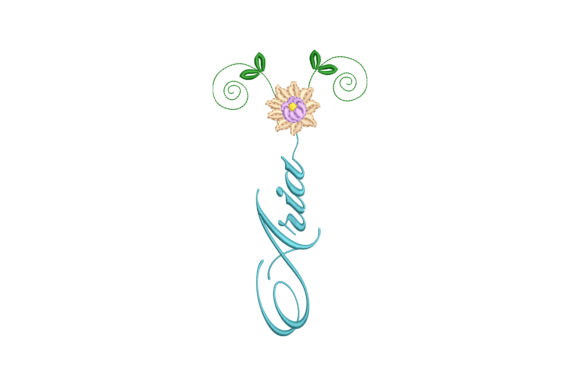
Aria Embroidery Review for Boutique Apparel
As an embroidery designer who spends countless hours digitizing and testing files, I approach every new download with a critical eye. When I first encountered Aria on Creative Fabrica, I was immediately drawn to its potential for boutique apparel. In a market saturated with generic designs, finding a machine embroidery design that balances intricate detail with wearable charm is rare. Aria stands out as a versatile option for creators looking to elevate their custom apparel lines, particularly for sweatshirt embroidery and cozy seasonal collections.
Visual Personality and Stitching Mood
The first impression of Aria is one of refined playfulness. It does not scream for attention with overly bold, blocky shapes; instead, it invites closer inspection. The design carries an adorable charm that feels both feminine and timeless. For a boutique brand, this visual mood is invaluable. It suggests quality without being ostentatious. The intricate details within the embroidery file suggest a premium finish, provided the stitching is executed correctly on the right fabric.
When reviewing the stitch density and flow, Aria appears to be designed with stability in mind. This is crucial for Friends Quotes or decorative elements that need to remain legible and intact after multiple washes. The design feels classic yet trendy, making it suitable for a wide demographic, from teenagers looking for unique hoodie designs to adults seeking sophisticated tote bag design accents.
Applying Aria to Sweatshirts and Hoodies
My primary test case for Aria was a small collection of neutral sweatshirts and pastel hoodies. Sweatshirt embroidery presents unique challenges due to the thickness of fleece and the stretch of ribbed cuffs and hems. Aria performed exceptionally well on the chest area of a heavyweight cotton-blend hoodie. The design’s scale was perfect for a left-chest placement, offering a subtle branding opportunity for small shop products.
For oversized garments, I considered using Aria as a sleeve accent. The intricate details held up beautifully against the textured surface of the fleece. However, when working with dark apparel, thread color contrast becomes vital. I found that using metallic or high-sheen rayon threads enhanced the visibility of the design’s finer points, preventing it from getting lost in the fabric’s pile. For lighter, pastel hoodies, matte cotton threads provided a soft, rustic look that appealed to the handmade product aesthetic popular on Etsy.
Placement Considerations for Curved Surfaces
One must be careful when placing detailed embroidery on curved surfaces like shoulders or sleeves. Aria’s design complexity requires a stable hoop size and proper stabilizer choice to prevent puckering. On ribbed fabric, such as cuff areas, I would advise against using this specific design unless you have extensive experience with stretchy fabric stabilization. The dense stitch areas could cause the ribbing to warp, affecting the garment's fit and comfort.
Versatility Beyond Apparel
While my focus was on apparel, Aria’s versatility extends to other boutique merchandise. I tested the design on a canvas tote bag, where the sturdy fabric provided an ideal foundation for the stitch density. The result was a professional-looking accessory that elevated the perceived value of the item. This makes Aria an excellent candidate for commercial embroidery products beyond just clothing.
For digital sellers and creative entrepreneurs, the visual consistency of Aria allows for cohesive social media graphics and printable mockup presentations. Whether you are creating lifestyle product photos for an online store or designing promotional materials, the aesthetic of Aria translates well into digital formats. It helps build buyer trust by presenting a unified and professional brand identity.
Practical Notes for the Embroidery Designer
Before running Aria on your final inventory, there are several practical steps every embroidery designer should take. First, always test on scrap fabric that matches your production material. Fabric texture plays a significant role in how the stitches lay down. A smooth jersey will yield different results than a textured waffle knit.
- Check Stabilizer Choice: Use a cut-away stabilizer for stretchy garments like hoodies to ensure long-term durability.
- Review Thread Color Contrast: Ensure your thread colors pop against the garment, especially for dark fabrics.
- Confirm Hoop Size: Verify that your machine’s hoop can accommodate the design dimensions without re-hooping.
- Inspect Stitch Density: Look for any overly dense areas that might cause needle breaks or fabric distortion.
- Test on Similar Garment Fabric: Never skip the test run on the exact type of fleece or cotton you plan to use.
Additionally, always check the Creative Fabrica product details and licensing terms before selling finished apparel. While many files come with commercial use licenses, it is essential to confirm these details to protect your business. As an Etsy seller or small business owner, understanding the license ensures you can confidently market your handmade product without legal concerns.
Enhancing Brand Value and Customer Engagement
Incorporating a well-chosen design like Aria can significantly affect your brand identity. It signals to customers that you care about detail and quality. When buyers see intricate, well-executed embroidery, they perceive higher value, which can justify premium pricing for your custom apparel. This perception builds customer engagement and encourages repeat business.
For those managing an online shop, the uniqueness of Aria helps differentiate your listings from mass-produced items. It adds a personal touch that resonates with consumers seeking authentic, handmade goods. By carefully selecting placement and thread colors, you create a visual consistency across your product line, strengthening brand recognition.
Final Thoughts on Production
Aria is a strong contender for any embroidery designer’s library, particularly for those focusing on boutique apparel and cozy seasonal outfits. Its balance of charm and intricacy makes it adaptable for various projects, from t-shirt embroidery to denim jackets. However, success lies in the execution. Pay attention to the technical aspects of machine embroidery, such as stabilizer selection and thread tension.
Remember, if specific technical details like exact stitch count or file formats are not explicitly listed in the product description, you must confirm these details before production. Assuming compatibility can lead to costly errors. Take the time to download the sample or preview, analyze the stitch path, and plan your production workflow accordingly.
By treating Aria not just as a digital embroidery file but as a key component of your design strategy, you can create finished products that stand out in a crowded marketplace. Whether you are decorating your home or building a clothing brand, this design offers the flexibility and aesthetic appeal needed to succeed in today’s creative economy.