Cute Bunny Baby: A Craft Fair Design Review
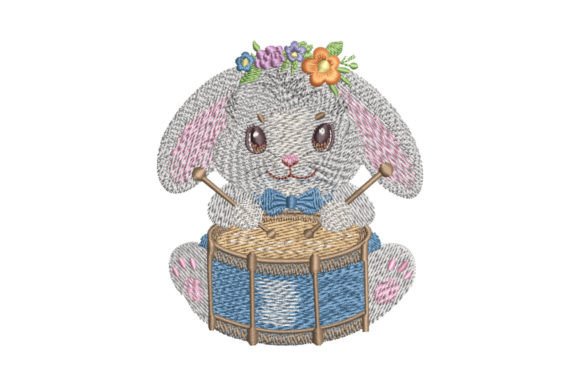
As an experienced embroidery designer who has spent countless weekends setting up booths at local craft fairs and managing a digital shop for handmade goods, I know that not every design translates well from the screen to the sales table. Today, I am reviewing Cute Bunny Baby, a new addition to my library of Baby Animals designs. The goal is simple: determine if this specific machine embroidery design will actually sell as a finished product or if it belongs in the "maybe later" pile.
The product description promises that this design is perfect for adding a touch of sweetness to any fabric, whether adorning a baby blanket or enhancing a cozy onesie. It claims to bring warmth and joy through intricate yet playful stitches. On paper, that sounds like a winner for the spring market season. But does it hold up under the harsh fluorescent lights of a convention center or the natural sunlight of an outdoor farmers market? Let's break down the real-world application of Cute Bunny Baby for boutique makers and creative entrepreneurs.
First Impressions: Mood and Market Fit
When I first loaded the digital embroidery file into my software, the aesthetic was immediately clear. Cute Bunny Baby leans heavily into the soft, sweet, and slightly rustic charm that defines modern farmhouse and nursery decor. It is not bold or aggressive; instead, it feels gentle and approachable. This makes it an excellent candidate for a small shop product line focused on gifts for new parents or gender-neutral nursery items.
For an Etsy seller or a booth owner, visual appeal is currency. Customers scanning a table full of tote bags and aprons need to stop within three seconds. The playful nature of this bunny design creates an immediate emotional connection. It signals "love," "comfort," and "quality." However, because the description mentions "intricate" stitches, I am cautious about how those details render on textured fabrics. If the stitch density is too high without proper spacing, the design could lose its delicate feel and look muddy on certain materials.
Product Performance Across Categories
To maximize sales, we must evaluate where Cute Bunny Baby performs best. Based on my experience with similar Embroidery patterns, here is how this design stands out on various items:
- Tote Bag Design: A white or cream canvas tote bag provides a neutral backdrop that lets the bunny pop. Placing the design near the top handle attachment point draws the eye immediately. This is a high-volume item that sells well as an impulse buy at craft fairs.
- Apron Embroidery: For kitchen-themed markets, embroidering this bunny on the bib of a linen apron adds a whimsical touch. It works exceptionally well for bridal showers or baby shower favors.
- Tea Towel Embroidery: Kitchen linens are a staple for handmade sellers. The key here is ensuring the towel texture doesn't interfere with the fine lines of the bunny. A looser weave might cause the design to sink in, so a tighter cotton blend is preferable.
- Embroidered Patch: Converting this design into a patch opens up new revenue streams. Patches can be sold individually or applied to denim jackets and backpacks. They are lightweight, easy to ship, and perfect for digital sellers offering physical goods.
- Pillow Covers and Onesies: As the description suggests, these are ideal applications. The softness of the design complements the tactile nature of baby blankets and clothing.
Production Realities and Practical Selling Points
Before you commit to batch production, you must consider the practicalities of creating a craft fair product. Cute Bunny Baby appears to be a focal design rather than a tiny accent. This means it requires adequate space on the item. If you try to shrink it too much for a small cap or a narrow cuff, the intricate details mentioned in the description may vanish.
One critical factor for online listings is photography. This design photographs beautifully due to its likely use of soft pastel thread colors. When creating a printable mockup for your Etsy listing, ensure the lighting highlights the texture of the stitches. Buyers cannot touch the product online, so they rely on images to gauge quality. A high-resolution photo showing the depth of the embroidery increases perceived value significantly.
Furthermore, consistency is key for brand building. If you are selling this as part of a larger collection, ensure the thread colors match your other products. A cohesive booth display featuring Cute Bunny Baby alongside matching pillow covers and tea towels creates a stronger buyer engagement than scattered, unrelated items.
Designer Notes: Avoiding Common Pitfalls
Even the best designs can fail if the technical execution is poor. Here are my specific notes for working with Cute Bunny Baby:
- Test on Scrap Fabric: Never skip this step. Run the design on a scrap piece of the exact fabric you plan to use. Check for puckering, especially if the stitch density is high.
- Stabilizer Selection: Because the design includes intricate areas, you will likely need a cut-away stabilizer to support the stitches over time, especially on stretchy fabrics like onesies. For woven items like tote bags, a tear-away might suffice, but test first.
- Thread Contrast: Ensure the thread colors stand out against the fabric. Light gray thread on a beige towel might look elegant but could be invisible to a customer walking by quickly.
- Hoop Size Verification: Confirm that the design fits comfortably within your hoop size without crowding. If the bunny is large, you may need a 6x10 or 8x10 hoop, which limits the types of items you can produce (e.g., you cannot easily hoop a finished cap).
- Commercial Licensing: Before selling finished products, always confirm your commercial licensing terms. Some embroidery files allow personal use only, while others permit unlimited sales of finished goods. Do not risk legal issues at your next market.
Final Verdict for the Handmade Entrepreneur
Cute Bunny Baby is a strong contender for the upcoming season, particularly for sellers targeting parents, gift buyers, and home decor enthusiasts. Its ability to evoke warmth and joy aligns perfectly with what customers seek when purchasing handmade items. However, success depends on your attention to detail during production.
If you manage the stitch density correctly, choose the right fabric textures, and present the finished product with professional photos, this design can become a signature item for your booth or shop. It offers versatility across tote bags, aprons, and baby items, making it a reliable asset for your inventory. Just remember to test thoroughly, respect the intricacies of the design, and ensure your licensing allows for commercial use. With the right execution, Cute Bunny Baby will not just sit on your table—it will fly off it.