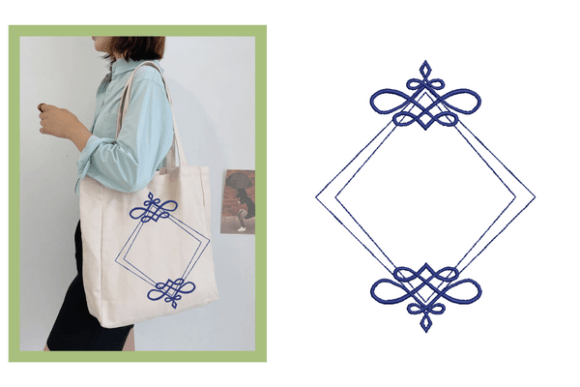
Frame Decoration: A Designer's Real-World Review
As a designer who has spent years navigating the delicate balance between digital files and physical thread, I approach every new machine embroidery design with a critical eye. We are not just looking for pretty pictures; we are looking for assets that translate well into tangible goods. Today, I am evaluating Frame Decoration, a design categorized under Borders. The promise is simple: a versatile motif suitable for pillows, towels, bags, apparel, and home decor. But does it hold up when you move from the screen to the hoop? Let's dive into how this embroidery file performs in real project scenarios.
First Impressions: Mood and Visual Personality
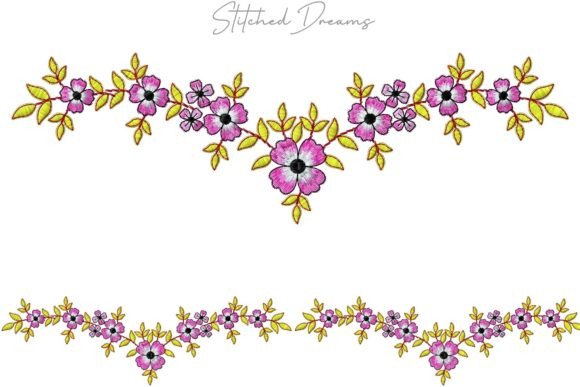
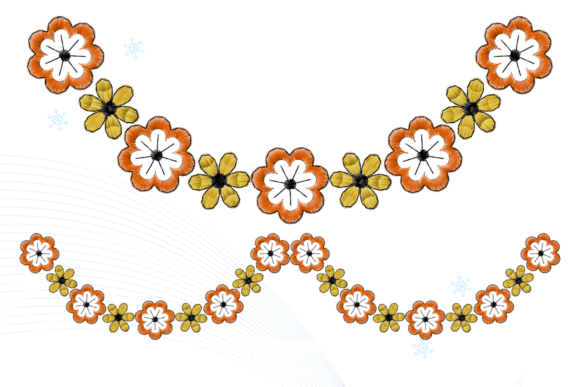
When I first opened the preview of Frame Decoration, the immediate takeaway was versatility. It possesses a visual weight that suggests it can anchor a composition without overwhelming it. Unlike some border designs that feel cluttered or overly intricate, this one maintains a clear silhouette. For a small business owner or an Etsy seller, clarity is king. Customers browsing your shop need to instantly recognize the quality of the finished product.
The layout feels balanced, suggesting it works well as a standalone accent or as part of a larger narrative on a garment. Whether you are planning a holiday embroidery project or a year-round staple for your boutique, the aesthetic leans towards classic rather than trendy. This is a significant advantage because timeless designs have a longer shelf life in a craft business. It evokes a sense of handmade care, which is exactly what buyers look for when purchasing a personalized gift or a custom home item.
Testing the Waters: A Real-Life Scenario
To truly understand the potential of Frame Decoration, I visualized a specific use case: creating a line of premium kitchen tea towels for a local artisan market. In this scenario, the border would run along the hem of a high-quality linen towel. My goal was to create a cohesive look that felt elevated yet approachable.
In my mind's eye, I saw the fill stitch areas catching the light differently than the satin stitch outlines. If the design relies heavily on satin stitches, the texture will be smooth and reflective, perfect for a modern kitchen. If it uses more fill, it adds a softer, matte dimension. For a towel, I would likely choose a cotton thread to match the fabric's natural feel. The key here is ensuring the stitch density isn't too high. On a thin fabric like a towel, excessive density can cause puckering, ruining the drape of the material. Before committing to a full production run, I would absolutely test this embroidery project on a scrap piece of the exact linen I intend to sell.
Imagine the customer reaction: they pick up the towel, feel the raised texture of the Frame Decoration, and see how the colors pop against the neutral background. That tactile experience is what drives sales. It transforms a commodity into a handmade product with soul. However, if the design were too dense, the towel might feel stiff at the edges, leading to returns. This is why understanding the mechanics of the digital embroidery file before stitching is crucial.
Navigating Fabric Challenges and Hoop Constraints
While the description claims this design works on "any fabric," experience tells us that nuance matters. Frame Decoration is a border, meaning it often wraps around corners or follows curved edges. This presents specific challenges depending on the substrate.
- Stretchy Fabrics: If you plan to use this on custom apparel like a jersey t-shirt or a sweatshirt, the stretch of the knit can distort the border. You must use a cut-away stabilizer to maintain the integrity of the shape. Without it, the running stitch details might warp after a few washes.
- Textured Surfaces: On heavy canvas for a tote bag design or a thick denim jacket, the needle may struggle to penetrate evenly if the stitch density is high. You might need to adjust tension settings or even reduce the density slightly in your machine software to prevent skipped stitches.
- Curved Surfaces: Attempting to embroider this border on a cap or a hat brim requires careful hooping. Curved surfaces compress the design, potentially squashing the details of the Frame Decoration. Always check the hoop size compatibility before starting.
- Dark Fabrics: If you are working with dark backgrounds, consider using a backing or a topper to ensure the thread colors stand out. A white Frame Decoration on black fabric looks stunning, but only if the stabilizer prevents show-through.
For baby embroidery, safety and softness are paramount. Avoid designs with sharp points or extremely dense stitching that could irritate sensitive skin. The gentle curves of this border seem suitable, provided the back of the work is clean and free of loose threads.
Commercial Viability and Brand Consistency
For those running a small shop product line or selling on Etsy, consistency is the backbone of brand trust. Frame Decoration offers a consistent visual element that can tie together various items in your catalog. Imagine using it on a pillow cover, a matching tote bag, and an apron. This creates a recognizable signature style for your brand.
However, before listing these items, you must confirm the licensing terms. Can you sell the finished items? Can you offer the digital embroidery file itself? Many designers assume they can resell the file, but most licenses only allow you to sell the physical goods created with the design. Always read the fine print to protect your craft business from legal issues.
Furthermore, consider the printable mockup stage. When photographing your products for online listings, ensure the lighting highlights the texture of the embroidered patch or border. A flat photo won't do justice to the depth created by the fill stitch and satin stitch combinations. High-quality images build buyer engagement and justify a higher price point for your commercial embroidery projects.
Practical Designer Notes for Success
If you decide to incorporate Frame Decoration into your workflow, here are my essential recommendations based on professional experience:
- Test First: Never skip the test run on scrap fabric. Check for puckering, thread breaks, and alignment issues.
- Check Contrast: Ensure your chosen thread colors contrast well with the base fabric. Low contrast can make the design invisible.
- Verify Stabilizer: Match the stabilizer to the fabric weight. Heavy fabrics need heavy stabilizers; lightweight fabrics need light ones.
- Inspect Small Details: Zoom in on the embroidery file to check for tiny lettering or intricate corners that might get lost during stitching.
- Review Density: If the design looks too heavy on the screen, it might be too dense in reality. Be prepared to edit the density in your editing software.
- Confirm Licensing: Double-check if you are allowed to sell the finished handmade product or if the license is personal use only.
Ultimately, Frame Decoration is a solid addition to any designer's library. It offers the flexibility needed for diverse applications, from wedding gifts to apparel decorators looking for a quick finish. By respecting the limitations of the fabric and the mechanics of the machine, you can turn this digital asset into a beautiful, profitable reality. Whether you are a hobbyist making a holiday gift or an entrepreneur scaling your design assets, this border provides a reliable foundation for creativity.