Reviewing Islamic Inspired Decoration for Craft Fairs
As an embroidery designer who has spent countless weekends standing behind booth tables, I know that the difference between a browser and a buyer often comes down to visual impact. When I first loaded the Islamic Inspired Decoration into my digitizing software, I was immediately struck by its potential as a high-value craft fair product. This is not just another generic floral motif; it is a sophisticated piece that bridges cultural artistry with modern home decor trends. For those of us running small shops or selling on Etsy, finding designs that stand out in a crowded market is essential.
First Impressions: Elegance Meets Geometry
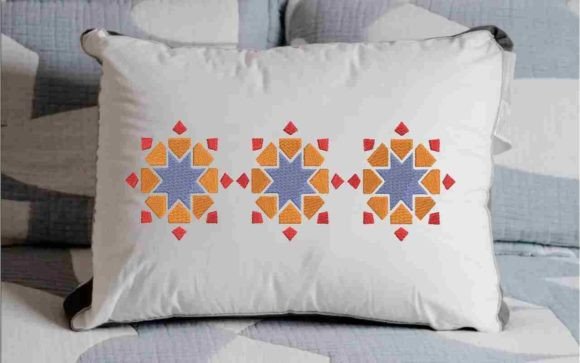
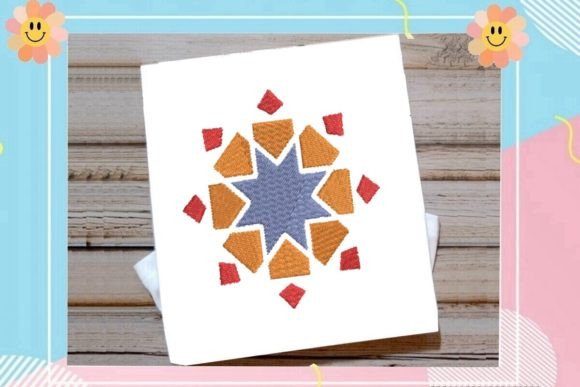
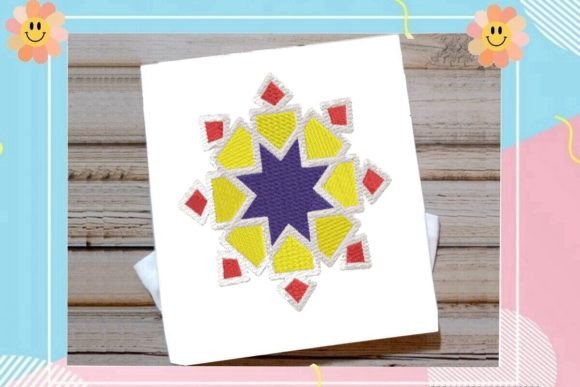
The design features a stunning Moroccan-inspired pattern known as “Zellige,” adorned with colorful Zakhrapha motifs. My immediate reaction was that this design feels premium and elegant. It does not scream for attention like a neon novelty item; instead, it invites closer inspection. The intricate geometry suggests a level of craftsmanship that customers associate with high-quality handmade products. In a sea of simple monograms and basic shapes, this machine embroidery design offers a narrative of travel, culture, and artistic heritage, which resonates deeply with buyers looking for meaningful gifts.
While the product category is listed under Africa, the Moroccan influence brings a specific aesthetic that is currently trending in interior design. This makes it versatile. It is not overly rustic, nor is it strictly minimal. It sits comfortably in a decorative, bohemian-chic niche that appeals to a wide demographic of creative entrepreneurs and boutique makers.
Product Applications: Where This Design Shines
To determine the best use for this embroidery file, I mentally staged my craft fair table. Here is how I see this design performing across various items:
- Tote Bags and Market Bags: This is arguably the strongest application. A large-scale version of the Zellige pattern on a canvas tote creates an instant statement piece. The geometric lines hold up well on flat surfaces, making it an ideal tote bag design that photographs beautifully for online listings.
- Tea Towels and Aprons: For kitchen textiles, the design works best as a border or a central focal point. However, caution is needed here. The intricate details of the Zakhrapha motifs might get lost on textured terry cloth. I recommend using smooth linen or cotton for tea towel embroidery to ensure every stitch is visible.
- Pillow Covers: Home decor items allow for larger hoop sizes, letting the full complexity of the pattern shine. This turns a simple cushion into a luxury item, increasing the perceived value of your small shop product.
- Embroidered Patches: If scaled down correctly, this could make a striking patch for jackets or bags. However, you must check the stitch density to ensure it remains durable without becoming too stiff.
Practical Production and Selling Points
From a production standpoint, consistency is key for batch production. The geometric nature of the Islamic Inspired Decoration means it is highly repeatable. Unlike freehand-style designs that might vary slightly in appearance due to fabric pull, this pattern relies on structured lines. This consistency is crucial for Etsy sellers who need their printable mockup images to match the finished product exactly.
Photography is another major advantage. The contrast between the colorful threads and a neutral fabric background creates a visually arresting image. For digital sellers offering this as a digital embroidery file, creating mockups that highlight the color vibrancy will drive engagement. The design’s symmetry makes it easy to center on garments, reducing the time spent on hooping and alignment during busy market prep.
Careful-Use Notes and Technical Considerations
While the design is beautiful, it requires careful handling to maintain its integrity. As an experienced designer, I advise paying close attention to the following technical aspects before committing to a large production run:
- Stitch Density and Fabric Choice: The description mentions "colorful Zakhrapha motifs," which implies multiple thread colors and potentially dense areas. On thick fabrics like denim or heavy canvas, this is manageable. However, on lightweight fabrics, you must use the right stabilizer to prevent puckering. A cut-away stabilizer is often safer for dense designs than tear-away.
- Small Details and Clarity: If you plan to scale this down for caps or small pouches, test it first. Tiny geometric details can merge together if the hoop size is too small or if the needle size is inappropriate. Ensure there is enough spacing between the ornamental elements to maintain clarity.
- Thread Contrast: The beauty of Zellige lies in its color interplay. Choose thread colors that contrast sharply with your base fabric. Embroidering light threads on white fabric will render the design invisible from a distance, killing its impact at a craft fair.
- Curved Surfaces: Embroidering this on caps requires a 3D foam or specialized technique if you want the pattern to pop. Without proper stabilization on curved surfaces, the geometric lines may distort, losing the precise look that defines the style.
Enhancing Brand Consistency and Buyer Engagement
Incorporating Islamic Inspired Decoration into your lineup can strengthen your brand’s identity as a curator of unique, culturally rich design assets. It signals to customers that you offer more than just generic crafts; you offer art. This perception of higher quality allows for a higher price point, which is essential for sustaining a commercial embroidery business.
When displaying these items at a booth, group them by color story. The vibrant hues of the Zakhrapha motifs can tie together a collection of pillows, bags, and wall hangings. This cohesive display draws the eye and encourages customers to imagine how these pieces would look in their own homes. It transforms a single purchase into a lifestyle buy.
Final Designer Recommendations
Before you list this as a craft fair product or upload it to your online store, take the time to test. Stitch it out on scrap fabric similar to your final product material. Check the tension, inspect the back for excessive jumps, and confirm that the fabric texture complements the stitch work. Create at least one real-world mockup to see how the light hits the threads.
Additionally, always verify the licensing terms. While this review assumes standard usage for physical goods, if you are selling the digital embroidery file itself, ensure you have the rights for commercial distribution. Confirm the exact file formats included and whether they are compatible with your machine’s software.
In conclusion, Islamic Inspired Decoration is a powerful tool for any embroidery business owner looking to elevate their product line. It combines aesthetic appeal with practical versatility, making it a strong contender for both physical sales and digital downloads. With careful attention to technical details and thoughtful product placement, this design can become a staple in your portfolio, driving sales and enhancing your reputation for quality Embroidery work.