Review: Cute Highland Cow Peeking from Wall
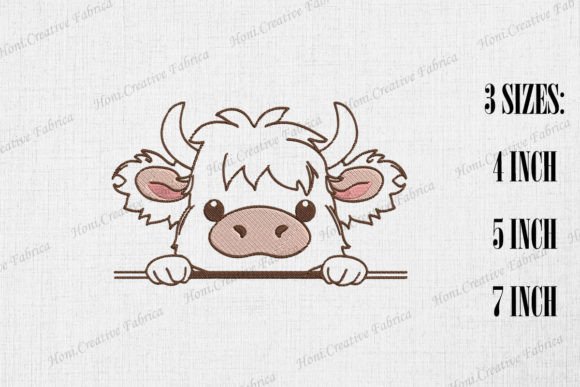
As an embroidery designer who has spent years digitizing files for small businesses and boutique brands, I approach every new machine embroidery design with a critical eye. It is not enough for a file to look pretty on a screen; it must perform under the needle, withstand washing, and elevate the brand identity of the client using it. Today, I am reviewing the Cute Highland Cow Peeking from Wall, a charming addition to the Farm Animals category that holds significant potential for commercial embroidery projects.
First Impressions and Visual Personality
The immediate impression of this design is one of playful warmth. The concept of a Highland cow peeking from behind a wall suggests curiosity and friendliness, traits that many handmade product sellers want to convey. Unlike rigid corporate logos, this piece feels organic and inviting. For shops selling home decor or baby items, this aesthetic aligns perfectly with current trends favoring rustic yet modern motifs. The design does not scream for attention with aggressive lines but rather invites a closer look, making it an excellent choice for subtle branding elements.
When evaluating the visual weight, the "peeking" composition creates natural negative space. This is crucial for embroidery because it prevents the finished product from becoming a stiff, cardboard-like patch. The balance between the animal’s features and the implied wall structure suggests a thoughtful digitization process, though final verification on fabric is always required.
Commercial Applications for Small Business Merch
For Etsy sellers and creative studios, versatility is key. A single embroidery file needs to work across multiple product lines to maximize return on investment. Here is how I envision this design performing in real-world business scenarios:
- Branded Patches: This design is ideal for iron-on or sew-on patches. The contained shape allows for clean cutting, and the cute factor drives impulse buys at craft fairs.
- Apron Embroidery: Bakeries, florists, and pet groomers can use this on staff uniforms. It adds personality to professional attire without compromising cleanliness or readability.
- Cap Embroidery: Placed on the side panel or slightly off-center on the front, this motif works well for casual headwear. However, curvature must be considered during hooping.
- Tote Bag Design: Canvas bags benefit from bold, simple imagery. This cow design can serve as a central focal point or a corner accent, enhancing the perceived value of the bag.
- Baby Onesies and Kids Apparel: Given the soft subject matter, this is a top contender for nursery-themed clothing. It appeals directly to parents looking for unique, non-generic designs.
Using this as a custom apparel element allows businesses to differentiate themselves. A local café offering branded merchandise could use this on tote bags or mugs (via transfer), creating a cohesive visual story that customers want to share on social media.
Technical Considerations and Production Notes
While the artistic merit is high, technical execution determines profitability. Before running a large batch of small business merch, I recommend several critical steps. First, always check the stitch density. High-density fills can cause puckering, especially on lighter fabrics like t-shirts or onesies. If the design relies heavily on satin stitches for the cow’s hair, ensure your stabilizer choice matches the fabric texture.
Testing on dark uniforms requires careful planning. If the original colorway uses light threads for the cow against a dark wall, you may need to adjust thread colors for contrast on black or navy garments. A printable mockup is useful for client approval, but nothing replaces a physical test stitch-out. Run the design on the actual material you intend to sell—whether it is thick canvas for tote bags or soft cotton for baby clothes.
Pay close attention to the hoop size requirements. If the design is large, it may not fit standard cap frames or small patch hoops. Conversely, if scaled down too much, fine details in the cow’s eyes or the wall texture may merge, losing definition. Always verify the minimum viable size before promising it to clients for tiny labels or pocket logos.
Enhancing Brand Identity and Customer Trust
In the world of handmade products, consistency builds trust. Incorporating a distinctive character like this Highland cow into your design assets helps create a recognizable brand voice. Customers begin to associate the quality of your stitching with the charm of your mascot. This emotional connection can increase buyer engagement and encourage repeat purchases.
However, professionalism matters. Ensure that the finished product is trimmed cleanly, with no loose threads or visible stabilizer residue. A sloppy finish undermines the cute aesthetic and can damage your reputation. Use this design to signal attention to detail. When used on packaging accents or thank-you cards, it reinforces the care put into every order.
Where to Use Caution
Not every surface is suitable for this specific motif. Avoid placing it on areas subjected to extreme friction or frequent industrial washing unless reinforced properly. Curved surfaces like baseball caps require precise stabilization to prevent distortion of the "wall" element, which might look wavy if not hooped correctly. Additionally, avoid using this on items requiring very small text integration, as the visual complexity of the cow might clash with tiny lettering.
Also, consider the target audience. While universally appealing, this style leans towards casual, rustic, or juvenile markets. It may not suit high-end luxury brands or corporate environments requiring strict minimalism. Know your niche before purchasing the license.
Final Verdict for Embroidery Professionals
The Cute Highland Cow Peeking from Wall is a strong candidate for diversifying your product catalog. It bridges the gap between decorative art and functional branding. To get the best results, treat it as a strategic asset. Test it in black and white first to evaluate contrast independence. Compare it beside other design assets to ensure it complements your existing collection rather than clashing with it.
Before commercial production, confirm the licensing terms. Ensure the digital embroidery file includes commercial use rights if you plan to sell physical goods made with it. Check for included formats to guarantee compatibility with your machine software. By combining this charming design with rigorous technical testing, you can create high-value items that resonate with customers and stand up to daily wear. This design is not just a picture of a cow; it is a tool for building a memorable, trustworthy brand in the competitive handmade marketplace.