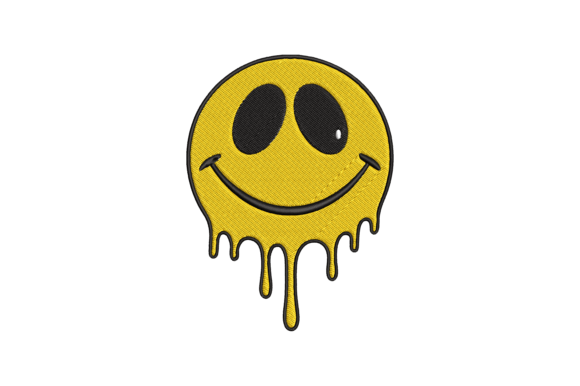
Reviewing Melting Face for Boutique Apparel
As an embroidery designer who spends more time staring at digitized stitch paths than actual fabric, I am always on the hunt for designs that bridge the gap between trendy aesthetics and technical reliability. Recently, I came across Melting Face on Creative Fabrica, and it immediately caught my eye as a potential centerpiece for a new capsule collection aimed at Teenagers. This is not just another generic motif; it is a statement piece that requires careful consideration of placement, fabric, and thread choice to truly shine.
Visual Personality and Stitching Mood
The first impression of Melting Face is one of playful surrealism. It captures that specific blend of cute and slightly edgy that resonates deeply with current youth fashion trends. The design feels bold yet approachable, avoiding the overly complex shading that often leads to thread breaks or puckering on home machines. Instead, it relies on clean lines and distinct color blocks, giving it a modern, graphic quality.
When I examine the stitching mood, I see a balance between casual charm and decorative strength. It does not try to be hyper-realistic, which is a smart move for commercial embroidery. This style lends itself well to a variety of applications, from minimalist tote bags to oversized streetwear. For boutique brands looking to establish a unique visual identity, this type of Embroidery offers a recognizable signature look without feeling mass-produced.
Performance on Sweatshirts and Hoodies
The primary test for any machine embroidery design intended for apparel is how it handles heavier fabrics. I envision Melting Face performing exceptionally well on sweatshirt embroidery projects. The density of the design seems sufficient to stand out against the texture of fleece or French terry cloth without sinking into the pile.
For hoodie design placements, the chest area is the obvious choice. A medium-sized hoop allows the design to breathe, creating a focal point that draws the eye upward. However, do not overlook sleeve accents. Placing a smaller version of the design on the lower sleeve of an oversized garment adds a subtle detail that elevates the perceived value of the custom apparel. On dark garments, such as charcoal or black hoodies, using high-contrast thread colors like pastel pinks, electric blues, or crisp whites will make the melting effect pop dramatically.
One caution regarding stretchy fabric and fleece: always use a cut-away stabilizer. The weight of the stitches in Melting Face needs proper support to prevent distortion after washing. Ribbed fabric, often found on cuffs and collars, should generally be avoided for this specific design unless you are using a specialized frame, as the stretching can distort the facial features.
Versatility Beyond Apparel
While sweatshirts are the natural habitat for this design, its versatility extends further. Imagine Melting Face embroidered on a sturdy canvas tote bag. The flat surface provides an ideal canvas for the intricate details, making it a perfect handmade product for Etsy sellers. The durability of the stitches ensures that the design withstands the wear and tear of daily use, adding to buyer trust.
For denim jackets, the design offers a striking contrast against the rugged texture. Here, you might want to adjust your thread tension slightly to accommodate the thicker material. T-shirt embroidery is also viable, but proceed with care. On lighter cotton blends, ensure your stabilizer is appropriate to prevent pull-back. A lightweight tear-away might suffice for single-layer shirts, but for a professional finish on a boutique brand item, I recommend testing on scrap fabric first.
Enhancing Brand Identity and Value
Incorporating unique designs like Melting Face into your small shop product line does more than just decorate a garment; it builds brand recognition. When customers see consistent, high-quality embroidery, they associate that level of craftsmanship with your name. This visual consistency is crucial for social media graphics and printable mockup presentations. A well-executed embroidery photograph performs significantly better in online listings than a flat digital print.
For creative entrepreneurs, this design serves as a tool for customer engagement. It sparks conversation. Is it sad? Is it happy? Is it melting from heat or emotion? These questions drive comments and shares, increasing the visibility of your commercial embroidery products. By offering a finished product that feels curated and thoughtful, you justify a higher price point compared to basic printed tees.
Practical Designer Notes for Production
Before you rush to produce a full batch, there are critical technical steps to take. As an experienced designer, I cannot stress enough the importance of checking the specific file details provided in the Creative Fabrica embroidery listing. Since the product description notes that this is an art form that elevates fabric, we must ensure the technical execution matches that promise.
- Check Stabilizer Choice: Match the stabilizer to your fabric weight. Heavy fleece needs cut-away; light cotton may work with tear-away.
- Review Thread Color Contrast: Plan your palette before hooping. High contrast works best for the "melting" effect to be visible from a distance.
- Confirm Hoop Size: Ensure the design fits your machine’s maximum hoop area if you plan to scale it up for back designs.
- Inspect Stitch Density: Look at the color change sequence. Too many jumps can lead to loose threads on the back, which affects the professional presentation of the inside of the garment.
- Test on Similar Garment Fabric: Never skip the test run. Stitch out on a scrap piece of the exact same material you intend to sell.
- Verify Licensing: Always check the license terms included with the digital embroidery file. Ensure you have the rights for commercial use when selling finished apparel.
If the product page does not explicitly list the stitch count, file formats, or specific machine compatibility, you must contact the seller or check the included read-me file before production. Assuming these details can lead to costly errors, such as buying a format your machine cannot read or discovering the design is too large for your hoop.
Final Thoughts for the Modern Maker
Melting Face is a compelling addition to any embroidery library focused on Teenagers and contemporary streetwear. It balances artistic flair with practical application, making it suitable for both novice hobbyists and seasoned boutique owners. By paying attention to fabric texture, stabilizer choice, and placement, you can transform this digital embroidery file into a tangible asset for your business.
Whether you are creating a cozy seasonal outfit line or updating your Etsy seller portfolio with fresh graphics, this design offers the flexibility needed to experiment. Remember, the key to successful commercial embroidery lies not just in the design itself, but in how thoughtfully it is applied. Take the time to refine your technique, and let Melting Face add that touch of elegance and charm to your next collection.