Sticker Embroidery Design Review for Craft Fair Sellers
As an experienced embroidery designer who has spent years curating collections for weekend craft fairs and handmade markets, I approach every new design with a critical eye. The question is never just whether a design looks good on a screen, but whether it will stop a shopper in their tracks when they walk past my booth. Today, I am reviewing the Sticker machine embroidery design. This piece promises to be an art form that elevates any fabric, adding a touch of elegance and charm. For those of us running small shops or selling on Etsy, finding a design that balances unique appeal with production efficiency is the holy grail. Let's dive into how this delightful embroidery design performs in the real world.
First Impressions: Bold Elegance Meets Teen Appeal
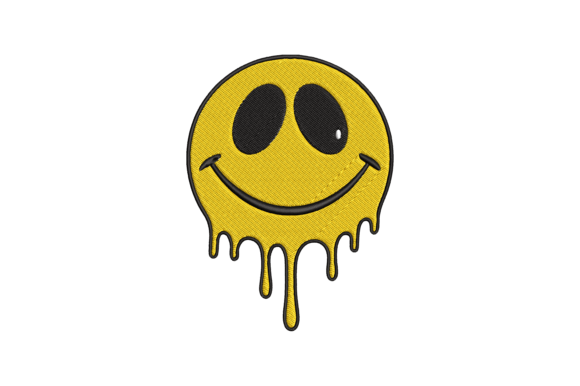
When I first load the Sticker embroidery file into my digitizing software, the initial impression is one of modern sophistication. It does not feel cluttered or overly rustic; instead, it carries a clean, decorative aesthetic that screams premium quality. While the product category targets Teenagers, the design transcends age barriers by offering a look that feels both trendy and timeless. It strikes a delicate balance between being cute and elegant, making it versatile enough for a wide range of handmade products.
In a crowded craft fair environment where visual noise is high, Sticker stands out because of its clarity. It is not a design that requires a customer to lean in close to understand what they are looking at. From across the table, the lines are distinct, and the potential for color contrast is obvious. This immediate readability is crucial for impulse buyers browsing through rows of tote bags and aprons. If a design can capture attention within three seconds, it has already won half the battle.
Product Placement: Where Sticker Shines
The true test of any digital embroidery file is how it translates onto physical goods. Based on the description that this design gives fabrics a unique and eye-catching look, I have evaluated its performance on several key items for my upcoming market display.
- Tote Bag Design: On canvas tote bags, Sticker works beautifully as a focal point. Its structure allows it to be scaled up without losing definition, making it perfect for large shoulder bags that serve as walking advertisements for your brand.
- Apron Embroidery: For kitchen-themed booths, placing this design on the bib of a linen apron adds a professional touch. It transforms a basic utility item into a giftable piece of home decor.
- Tea Towel Embroidery: Cotton tea towels provide a smooth surface that complements the elegance of the Sticker design. The texture of the towel contrasts nicely with the raised thread, enhancing the tactile experience for customers.
- Embroidered Patch: One of the most profitable ways to use this design is as an embroidered patch. Patches allow you to sell smaller, lower-cost items that teenagers love to customize on denim jackets or backpacks.
- Caps and Pouches: The design scales down well for curved surfaces like caps, provided the stitch density is managed correctly. Small fabric pouches also benefit from this design, turning them into chic accessories rather than simple storage.
Selling Points and Visual Impact
For the Etsy seller or boutique maker, the value of the Sticker design lies in its ability to elevate the perceived value of a finished product. A plain white pillow cover becomes a statement piece once this embroidery is applied. The "elegance and charm" mentioned in the product description translate directly to higher price points. Customers at craft fairs are willing to pay more for items that look professionally finished and thoughtfully designed.
Furthermore, this design photographs exceptionally well for online listings. In the digital age, your printable mockup is often the first interaction a customer has with your brand. The clean lines of Sticker ensure that even in a thumbnail image, the details remain visible. This clarity drives click-through rates and helps convert browsers into buyers. When creating your booth display, mixing items with this design creates a cohesive brand identity that signals quality and consistency.
Practical Production Notes for Makers
While the Sticker design is promising, successful commercial embroidery requires careful execution. Here are my practical notes for bringing this design to life:
- Test on Scrap Fabric: Never skip the test run. Even if the preview looks perfect, the way the thread interacts with specific fabric textures can vary. Run a sample on the exact material you plan to sell.
- Check Thread Contrast: To achieve that eye-catching look, ensure your thread colors pop against the background fabric. High contrast is essential for the design to stand out in a busy market setting.
- Review Spacing and Hoop Size: Verify that the design fits comfortably within your hoop size without crowding the edges. Proper spacing prevents puckering and ensures the stitches lay flat.
- Inspect Stitch Density: Dense areas can cause fabric distortion, especially on lightweight materials like tea towels. If the density is too high, consider reducing the number of fill stitches to maintain fabric drape.
- Use the Right Stabilizer: A quality stabilizer is non-negotiable. It supports the fabric during stitching and prevents the design from warping, ensuring a crisp finish on your handmade product.
- Commercial Licensing: Before listing items for sale, always confirm your commercial licensing terms. Ensure you have the right to sell finished products made with this digital embroidery file.
Potential Challenges and Careful Use
No design is without its challenges. As we prepare for batch production, we must be mindful of specific limitations. If the Sticker design contains tiny details or small lettering, these may lose clarity when scaled down for small pouches or patches. Always check the minimum recommended size before shrinking the design.
Additionally, working with thick fabrics or highly textured towels can sometimes obscure fine details. The raised pile of a terry cloth towel might hide intricate parts of the embroidery. In such cases, adjusting the tension or using a water-soluble topping can help. Dark fabrics also require careful consideration; while they offer a dramatic backdrop, they may demand more thread coverage to prevent the fabric color from showing through the stitches.
Final Verdict for Creative Entrepreneurs
The Sticker machine embroidery design is a strong contender for any craft fair product line targeting teenagers and style-conscious shoppers. Its ability to blend elegance with a modern aesthetic makes it a versatile asset for creative entrepreneurs. Whether you are producing custom apron embroidery, stylish tote bag designs, or charming tea towel embroidery, this file offers the potential to create high-value, handmade products that sell themselves.
By paying attention to production details like stabilizer choice, thread contrast, and fabric selection, you can maximize the impact of this design. Remember, the goal is to create a finished product that feels special and unique. With the right execution, Sticker will not only elevate your fabric but also elevate your entire booth presence, driving engagement and sales for your small shop product line. Happy stitching!