Baby Monkey: A Professional Embroidery Design Review
As an experienced embroidery designer who has spent years refining machine embroidery design assets for small business owners, I approach every new digital file with a critical eye. The market is flooded with generic patterns, but finding a versatile asset that balances charm with commercial viability is rare. Today, I am reviewing the Baby Monkey design, categorized under Wild Animals and designed for Embroidery applications. My goal is to move beyond simple decoration and evaluate how this specific design functions as a core element of brand identity for apparel decorators, Etsy sellers, and boutique merch creators.
First Impressions: Playful Yet Professional
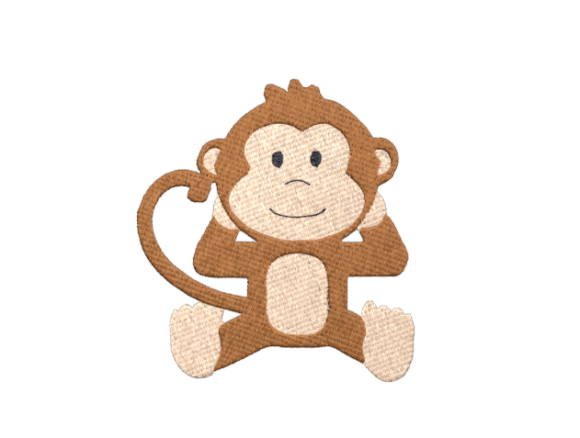
When I first loaded the Baby Monkey embroidery file into my digitizing software, the immediate impression was one of warmth and approachability. In the world of branding, especially for small businesses, the visual tone must resonate instantly with the target audience. This design strikes a delicate balance between playful and professional. It does not feel overly cartoonish or childish; instead, it possesses a rustic, handmade quality that suggests care and craftsmanship.
For a creative studio, a local bakery, or a pet brand, this aesthetic is gold. It signals friendliness without sacrificing sophistication. The lines appear clean, and the overall composition suggests that it can hold up well as a standalone logo accent or a detailed patch. Unlike some designs that rely on excessive detail which gets lost in stitching, Baby Monkey seems to prioritize bold shapes and clear outlines, which are essential for high-quality commercial embroidery.
Strategic Applications for Small Business Merchandise
The true test of any digital embroidery file is its versatility across different product types. Based on the description stating this design adds adorable decoration to towels, shirts, and blankets, I have evaluated its potential for more specialized business use cases. Here is how Baby Monkey performs in real-world scenarios:
- Embroidered Patches: This is perhaps the strongest application. The design works beautifully as a detachable embroidered patch for denim jackets, tote bags, or backpacks. For a small business selling small business merch, patches offer a low-risk way to add value to existing inventory.
- Staff Uniforms and Aprons: For a café or florist, adding a subtle Baby Monkey motif to staff aprons creates a cohesive team look. It serves as a friendly face for the brand while maintaining professionalism. Apron embroidery needs to be durable, and the design's structure suggests it will withstand frequent washing.
- Cap Embroidery: Placing this design on the front of a baseball cap or flat-brim hat offers excellent visibility. The rounded nature of the monkey's features complements the curved surface of a cap front, provided the size is adjusted correctly.
- Tote Bag Design: As a central focal point on a canvas tote, Baby Monkey elevates a standard utility item into a branded accessory. This is ideal for event merch or customer gifts at craft fairs.
- Product Packaging Accents: Imagine a small tag attached to a handmade blanket or a clothing label featuring this design. It reinforces the brand identity and makes the unboxing experience memorable.
Critical Considerations for Production
While the design holds great promise, a professional designer knows that execution is everything. There are specific areas where Baby Monkey requires careful handling to ensure the finished product meets quality standards.
Size and Detail Management
One of the biggest risks with animal designs is losing definition when scaled down. If you intend to use this for tiny sleeve details or small cap embroidery, you must test the minimum viable size. Intricate facial features or fur textures can blur if the stitch density is too high for the available space. Always create a printable mockup at 100% scale before committing to production runs.
Fabric Texture and Stabilization
The description mentions towels and blankets, which are textured fabrics. When embroidering on these materials, the needle penetration and fabric movement can distort the design. You must use the proper stabilizer—likely a cut-away stabilizer for stretchy items like t-shirts or a heavy-duty tear-away for towels—to prevent puckering. On dark uniforms, the thread colors will need to be carefully selected to ensure contrast. A light-colored monkey on a black background requires precise underlay stitches to pop effectively.
Stitch Density and Hoop Size
Before running a full batch, verify the hoop size requirements. If the design is large, it may require a larger hoop or repositioning during stitching. High stitch density can make the patch stiff, which might be undesirable for a soft baby blanket but perfect for a structured cap. Test the design on a scrap piece of your actual production fabric to gauge the hand-feel of the finished product.
Impact on Brand Identity and Customer Trust
In the competitive landscape of handmade products and custom apparel, visual consistency is key to building customer trust. Using a well-executed design like Baby Monkey consistently across your design assets helps customers recognize your brand immediately. Whether they see it on a tote bag design at a farmer's market or on a staff member's shirt, the familiarity breeds confidence.
Furthermore, high-quality embroidery signals premium value. Customers are willing to pay more for items that look professionally finished rather than hastily decorated. By selecting a design that translates well from a digital embroidery file to physical thread, you elevate the perceived value of your goods. This is particularly important for Etsy sellers and boutique owners whose reputation relies on the tactile quality of their work.
Practical Designer Notes for Implementation
To ensure success with the Baby Monkey design, follow these practical steps before launching your product line:
- Test in Black and White: Run a preliminary stitch-out using only black thread. This allows you to check the flow of the design, spacing, and structural integrity without the distraction of color.
- Verify File Formats: The product description notes that the design comes with multiple embroidery file formats. Ensure your machine supports the specific format you download (e.g., .PES, .DST, .EXP) to avoid compatibility issues.
- Check Licensing: Confirm the commercial licensing terms before using this design for custom apparel intended for resale. While many files are for personal use, business owners need explicit permission for commercial projects.
- Create Client Mockups: If you are working with a client, generate realistic mockups showing the design on their specific items. This manages expectations and secures approval before stitching begins.
- Compare Thread Colors: Select thread colors that complement your brand palette. Avoid neon threads on natural fabrics unless that is your specific aesthetic; classic tones often age better and look more premium.
In conclusion, the Baby Monkey design is a robust asset for any creative entrepreneur looking to infuse personality into their merchandise. With careful attention to sizing, stabilization, and placement, it can serve as a powerful tool for enhancing brand identity and creating memorable, high-quality products. Whether used for a whimsical patch on a denim jacket or a charming accent on a bakery apron, this design proves that even simple concepts can yield professional results when executed with expertise.