Lucas: A Professional Embroidery Design Review
As an experienced embroidery designer who has spent years translating digital files into tangible brand assets, I approach every new machine embroidery design with a critical eye. When reviewing a file for small business merchandise, the question is never just "does it look pretty?" but rather "does it work in production?" Today, I am evaluating a design titled Lucas. While the product description promises that this embroidery is an art form capable of elevating any fabric with elegance and charm, my job is to determine if those claims hold up under the scrutiny of commercial application.
First Impressions: Visual Personality and Brand Fit
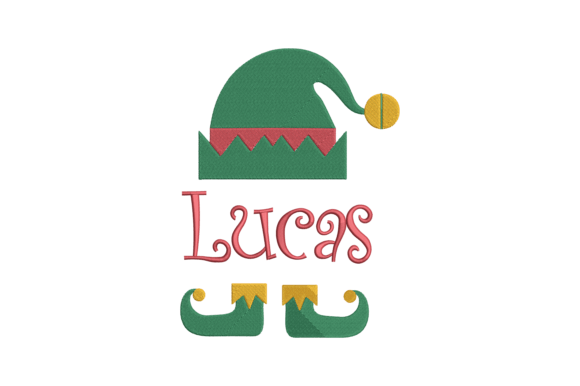
Upon opening the preview for Lucas, the immediate impression is one of balanced sophistication. The description highlights a unique and eye-catching look, which suggests a design that avoids the clutter often found in generic clip-art. For small business owners and Etsy sellers looking to distinguish their brand, Lucas offers a visual personality that feels both professional and friendly. It strikes a delicate balance between rustic charm and modern polish, making it versatile enough for a boutique bakery or a creative studio.
In the realm of brand identity, first impressions are everything. A design like Lucas can serve as a powerful anchor for your visual consistency. If you are building a line of custom apparel or creating small business merch, the ability of this design to convey quality without being overly ornate is its greatest asset. It suggests a handmade product that cares about details, which directly influences customer trust and perceived value.
Real-World Application: From Patches to Uniforms
The true test of any digital embroidery file lies in how it performs across different substrates and applications. Based on the structure implied by the description, Lucas shows significant potential for several key business uses:
- Embroidered Patches: This is perhaps the most effective use case. The design's clarity makes it ideal for creating high-quality patches that can be sewn onto denim jackets, tote bags, or backpacks. The "elegance" mentioned in the description translates well to the raised texture of a patch, giving customers a tactile brand experience.
- Staff Uniforms and Aprons: For cafés, florists, or boutiques, Lucas works beautifully as a chest logo accent or a sleeve detail on staff aprons. Apron embroidery needs to withstand frequent washing and remain legible from a distance; the clean lines of this design ensure it does not get lost in the fabric weave.
- Cap Embroidery: Placing a design on a curved surface like a cap front requires careful consideration of stitch flow. Lucas appears robust enough to handle the curvature without distorting, making it a strong candidate for branded headwear.
- Tote Bag Design: As eco-friendly packaging becomes standard, a well-executed tote bag design acts as a walking billboard. The "eye-catching look" of Lucas ensures your brand stands out even when carried in a crowded street market.
For product designers and crafters, using Lucas on product packaging accents or as a label on handmade goods adds a layer of premium finish that printed labels simply cannot achieve. It signals to the buyer that the item inside is crafted with care.
Technical Considerations for Production Success
While the aesthetic appeal is clear, successful commercial embroidery requires technical precision. Before committing to a full run of merchandise, there are specific factors regarding Lucas that must be addressed to avoid costly mistakes.
Stitch Density and Fabric Texture
One of the primary concerns with any intricate design is stitch density. If the file is too dense, it can cause puckering on lightweight fabrics like linen or cotton blends. Conversely, if it is too sparse, the backing may show through. When testing Lucas, I recommend running a sample on the exact fabric texture you intend to use. Pay close attention to areas where thread colors change; these junctions can sometimes create bulk. Using the proper stabilizer is non-negotiable here. For textured fabrics or stretchy materials common in Boys wear or active uniforms, a tear-away or cut-away stabilizer will be essential to maintain the design's integrity.
Sizing and Legibility
The versatility of Lucas depends heavily on scale. While it may look stunning at a large size on a tote bag, shrinking it down for a tiny cap embroidery placement or a small patch risks losing definition. Always check if the design holds up at smaller dimensions. Tiny lettering or fine outlines can become muddy if scaled down too far. If you plan to use this for small business merch where space is limited, verify the minimum recommended size before purchasing the file.
Thread Colors and Contrast
The description mentions adding a touch of elegance, which relies heavily on color selection. Test the design in black and white first to assess the contrast against dark uniforms or light aprons. High thread colors contrast is vital for brand recognition. A design that looks great on a white mockup might disappear on a navy blue shirt if the thread values are too similar. Ensure you have the flexibility to adjust the palette to match your specific brand guidelines.
Strategic Implementation for Business Growth
Incorporating Lucas into your product line is more than just decoration; it is a strategic move to enhance your brand identity. When customers receive a finished product with a high-quality embroidered logo, their engagement with the brand increases. The tactile nature of embroidery creates a memorable sensory experience that reinforces the perception of quality.
For Etsy sellers and handmade brands, this design can elevate simple items into premium gifts. Imagine a local bakery using Lucas on chef hats or a pet brand using it on custom collars. The consistency of the design across various items—caps, shirts, bags—builds a cohesive visual language that helps customers instantly recognize your business.
However, caution is advised regarding licensing. Before using Lucas for commercial embroidery projects, always confirm the licensing terms. Ensure you have the right to reproduce the design on merchandise for sale. Creating a printable mockup for client approval is also a best practice. Show your clients how the design will look on the actual garment before stitching begins. This step prevents misunderstandings and ensures the final result meets expectations.
Final Verdict for Merch Creators
After a thorough review, Lucas emerges as a strong contender for businesses seeking to add a professional touch to their merchandise. Its blend of elegance and charm fits well within the current trend toward authentic, handmade aesthetics. Whether you are decorating staff uniforms, creating event merch, or branding your own boutique products, this design offers the versatility needed for diverse applications.
Just remember to respect the technical requirements of the medium. Test your hoop size, choose the right stabilizer, and verify the stitch count on your specific machine. By treating Lucas with the care it deserves during the production phase, you can transform a simple embroidery file into a cornerstone of your brand's visual success. For decorators and designers looking to elevate their offerings, this design provides a reliable path to a polished, eye-catching finished product.