Small Tea Cup: A Professional Embroidery Design Review
As an embroidery designer who has spent years translating digital files into tangible brand assets, I approach every new design with a critical eye. When reviewing the Small Tea Cup machine embroidery design, my focus shifts immediately from personal craft to commercial viability. For small business owners, Etsy sellers, and apparel decorators, a design is not just a pretty picture; it is a functional component of your brand identity. This review evaluates how this specific design performs in real-world scenarios, from staff uniforms to high-end boutique merchandise.
First Impressions: Visual Personality and Brand Tone
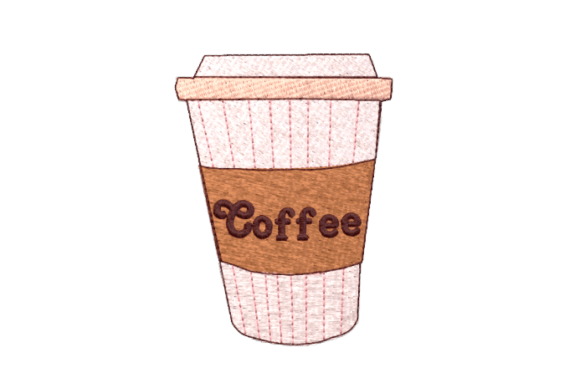
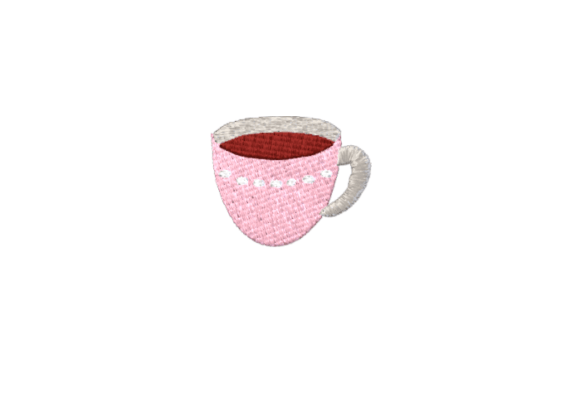
The title Small Tea Cup suggests a design that is inherently friendly, classic, and inviting. In the world of commercial embroidery, these traits are gold for businesses operating in the hospitality, lifestyle, or handmade sectors. The description notes that this design adds a "sweet and cheery decoration," which aligns perfectly with brands aiming for a warm, approachable aesthetic. Unlike aggressive or overly modern logos, a tea cup motif evokes comfort, tradition, and quality time—attributes that translate well into customer trust.
However, the term "small" in the title requires careful consideration. In professional embroidery, scale dictates legibility. A design that looks charming at 4 inches may lose its character when shrunk to 1 inch for a cap front. My initial assessment is that this design leans towards a decorative accent rather than a primary corporate logo, making it ideal for secondary branding elements like sleeve details, tote bag corners, or apron pockets.
Performance in Real Business Applications
When we move beyond the screen and consider physical production, the versatility of the Small Tea Cup becomes apparent. Here is how this design asset holds up across various commercial applications:
- Embroidered Patches: This design is an excellent candidate for woven or embroidered patches. The rounded shapes of a tea cup typically stitch well without excessive jumping, creating a clean edge suitable for iron-on or sew-on patches. These can be used as limited-edition collectibles for loyal customers or as uniform accents for baristas and bakery staff.
- Staff Uniforms and Aprons: For a café or boutique, apron embroidery is a powerful tool. Placing the Small Tea Cup on the chest pocket or the back of an apron creates a cohesive look for your team. It signals professionalism while maintaining a cozy atmosphere. The design works particularly well on denim or canvas materials common in workwear.
- Cap Embroidery: Caps are challenging due to curved surfaces and size constraints. If the design file allows for scaling without losing detail, this could serve as a subtle side-logo or a central emblem on a flat-brim cap. However, care must be taken to ensure the steam lines or handle details do not become indistinguishable blobs of thread.
- Tote Bag Design: Totes are prime real estate for branding. A larger version of the Small Tea Cup on a cotton tote serves as a walking billboard for your business. The sturdy nature of tote fabric supports higher stitch density, allowing for richer colors and more intricate detailing.
- Product Packaging Accents: Beyond apparel, this design can elevate packaging. Imagine a small embroidered label sewn onto a linen gift bag or attached to a premium soap wrap. This tactile element significantly increases the perceived value of a handmade product.
Critical Considerations for Production
While the concept is sound, every professional designer knows that execution is everything. There are specific areas where the Small Tea Cup requires caution to ensure the finished product meets commercial standards.
Scale and Legibility
The description mentions the design is "small." In commercial embroidery, if you reduce a design too much, fine details disappear. For instance, if the cup has delicate floral patterns inside or thin handles, shrinking it for a button or a tiny patch might result in thread bunching. Always test the design at the intended final size before committing to a bulk run. If the details vanish, consider simplifying the outline or increasing the minimum size requirement.
Fabric Texture and Stabilization
The success of any embroidery file depends heavily on the substrate. Textured fabrics like terry cloth (towels) or thick knits can distort the shape of a small design. For items like towels or blankets mentioned in the product description, a heavy-duty cutaway stabilizer is non-negotiable. Without proper stabilization, the hoop tension can warp the fabric, causing the tea cup to look lopsided. Similarly, dark uniforms require a tonal underlay to prevent the white or light-colored thread from sinking into the fabric, ensuring the design pops.
Stitch Density and Thread Colors
High stitch density can make a garment stiff, which is undesirable for clothing like shirts or caps. Review the digitized file to ensure the density is balanced. If the design is too dense, it may cause puckering. Additionally, thread colors play a crucial role in brand consistency. Ensure the available color palette matches your brand guidelines. A mismatched color scheme can undermine the professional look you are trying to achieve.
Impact on Brand Identity and Customer Perception
Incorporating the Small Tea Cup into your merchandise strategy does more than decorate; it communicates values. A consistent visual identity across all touchpoints—from the employee's cap to the customer's tote bag—builds recognition. When a customer sees this specific design repeatedly, it reinforces your brand presence.
Furthermore, embroidery implies quality. Unlike printed graphics that can fade or crack after washing, a well-executed embroidered design lasts for years. This durability signals to your customer that your business cares about longevity and craftsmanship. For handmade brands and Etsy sellers, this distinction is vital. It transforms a simple item into a premium good, justifying a higher price point and fostering deeper buyer engagement.
Practical Designer Notes for Implementation
Before integrating this digital embroidery file into your production line, follow these essential steps to ensure success:
- Test in Black and White: Start by stitching a test sample using only black thread. This reveals issues with spacing, jump stitches, and overall structure without the distraction of color.
- Verify Hoop Size: Confirm that the design fits comfortably within your standard hoops. If it requires a custom hoop, factor in the setup time for commercial efficiency.
- Create a Printable Mockup: Before producing actual goods, generate a high-quality mockup showing the design on the intended product. Use this for client approval or internal decision-making to visualize the final result.
- Check Commercial Licensing: As a business owner, you must verify the license terms. Ensure the file permits commercial embroidery use for resale items. Do not assume personal use licenses cover branded merchandise.
- Compare with Other Assets: Place the Small Tea Cup design next to other existing brand assets. Does it clash? Does it complement? Consistency is key to a strong brand image.
- Inspect Spacing: Ensure there is adequate space between the design and seams or edges of the garment to prevent distortion during movement or washing.
Ultimately, the Small Tea Cup offers a charming and versatile option for small business merchandising. With careful attention to scale, stabilization, and licensing, it can become a signature element of your brand, adding a touch of warmth and professionalism to everything from staff uniforms to customer gifts. By treating this design as a strategic asset rather than just a decoration, you elevate the entire perception of your business.